Exosome Therapy
Exosomes are nanoscale extracellular vesicles released by stem cells that act as messengers in the body, carrying signals that influence repair, immune balance, and regeneration.

Renewal from the Inside Out
What Are Exosomes?
Exosomes are tiny extracellular vesicles that transfer molecular information from one cell to another, influencing processes such as immune modulation, tissue repair, and regeneration.
Why Umbilical Cord?
Exosomes derived from umbilical cord MSCs carry growth factors, cytokines, and genetic material that naturally support repair and regeneration, sourced from ethically donated tissue
How Do They Work?
Rather than replacing cells, exosomes send therapeutic signals that reduce inflammation, modulate immunity, and activate repair. Their nanoscale size allows them to cross biological barriers, making them valuable for systemic and localized applications.
Why Consider Exosomes Therapy?
UC-MSCs derived exosomes deliver precise regenerative and anti-inflammatory signals at the cellular level. They restore the body’s natural communication network, often disrupted by aging, stress, or illness, supporting immune balance, tissue repair, and recovery.
Main Benefits of Exosome Therapy
Umbilical cord mesenchymal stem cell-derived exosomes deliver targeted therapeutic benefits through nature’s most sophisticated communication system.
- • Enhanced cellular communication and coordination
- • Anti-inflammatory action for chronic or autoimmune conditions
- • Improved neurological and cognitive function
- • Accelerated tissue repair and regeneration
- • Strengthened immune system regulation
- • Skin rejuvenation and collagen stimulation
- • Low risk, high compatibility due to acellular nature
Clinically Targeted. Scientifically Trusted
Because they are acellular, exosomes do not replicate or carry the risk of immune rejection, making them a safe, targeted tool in regenerative medicine. Research highlights their ability to influence cellular behavior without permanent integration, particularly promising for neurological conditions, immune disorders, and aesthetic applications.
Comparison of UC-MSCs and Exosomes
Umbilical cord mesenchymal stem cells (UC-MSCs) and their derived exosomes both play essential roles in regenerative medicine. They differ significantly in structure, function, and therapeutic mechanisms. The table below highlights key distinctions to help clarify how each contributes to healing and immune modulation.
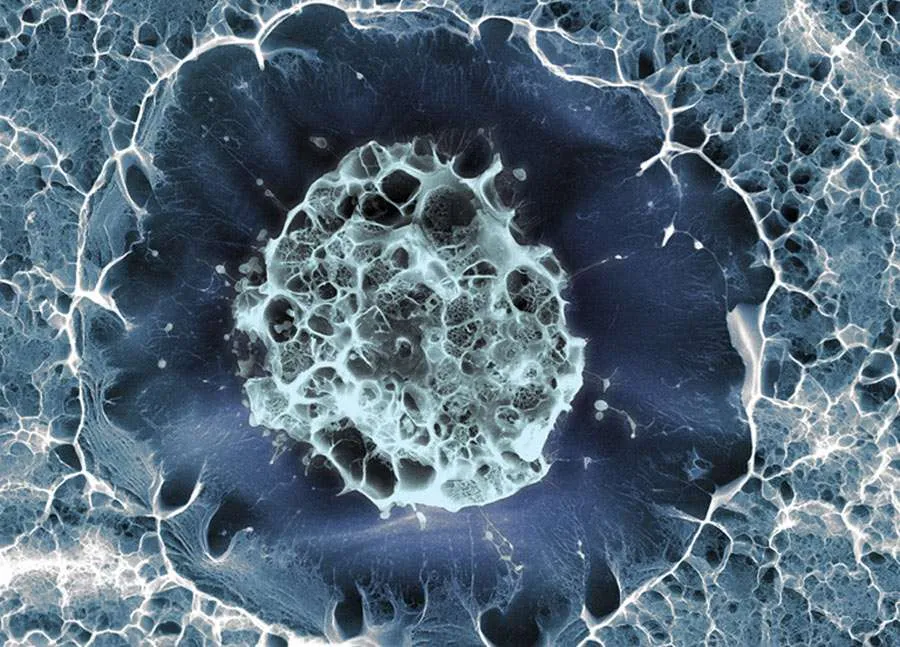
Mesenchymal Stem Cell Derived Exosome Under Electron Microscope
Conditions Treated With This Therapy
Accelerate recovery and reduce inflammation in injured tissues, particularly effective for concussions and head trauma.
Learn More →
Target spinal inflammation and promote regeneration of degenerative discs and nerve tissue through precise localized delivery.
The unique ability to cross the blood-brain barrier makes exosomes exceptionally effective for treating Alzheimer’s, Parkinson’s, stroke recovery, and other neurodegenerative conditions.
Modulate immune responses and reduce systemic inflammation in conditions like rheumatoid arthritis, lupus, and inflammatory bowel disease.
Reduce inflammation and promote healing in lung tissue for COPD, asthma, and other pulmonary conditions.
Enhances blood flow, circulation, and nerve regeneration, supporting the revitalization of sexual health.
Learn More →
Reactivate dormant hair follicles and extend growth phases through targeted scalp delivery of growth factors and signaling molecules.
Stimulate natural collagen production and cellular renewal for youthful skin, reduced wrinkles, and improved hair growth through targeted aesthetic applications.
The OmniStem Difference
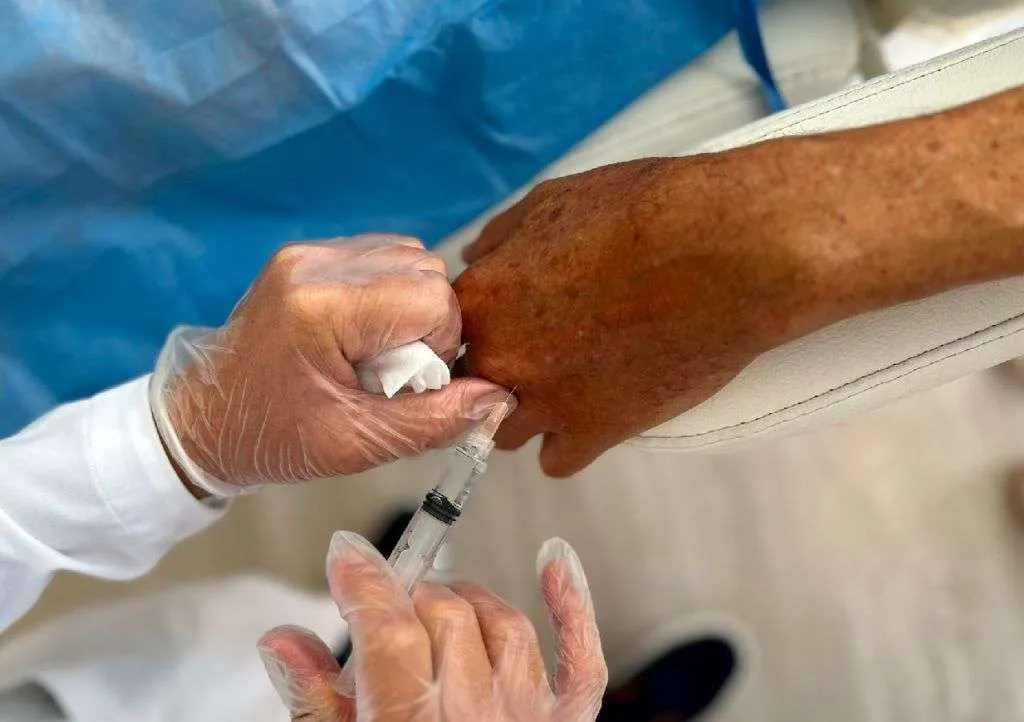
At OmniStem, everything begins with our biologics; developed with uncompromising standards that ensure consistency, purity, and reliability. What also sets us apart is personalization. Every treatment plan is built on strict medical protocols, yet carefully adapted to the unique needs of each patient.
And across our locations, advanced regenerative medicine is delivered in environments designed to foster calm, trust, and healing.
Frequently Asked Questions
Stem cells are living cells that can divide and develop into different tissue types. Exosomes are not cells; they are small vesicles released by stem cells that contain growth factors, proteins, and genetic signals. Instead of becoming new tissue, exosomes act like messengers, helping existing cells reduce inflammation, improve communication, and support repair.
The duration of benefits varies depending on the condition being treated, overall health, and lifestyle factors. Some patients report improvements that last several months and even longer, while others may require periodic follow-up sessions to maintain results. During your consultation, our team will discuss a personalized treatment plan and set realistic expectations for your case.
Yes. Exosome therapy is often used alongside other regenerative approaches such as platelet-rich plasma (PRP), physiotherapy, or supportive treatments like IV therapy and hyperbaric oxygen. Combining therapies may enhance results, but the right plan depends on your diagnosis and overall health. Our medical team will determine the safest and most effective combination for you.
Some patients notice changes within weeks, while others require several months. Full therapeutic effects may take 6–12 months. The goal is to support natural repair processes rather than provide immediate relief.
The need for additional treatments depends on your individual response and the condition being addressed. Some patients achieve their desired results with a single treatment, while others may benefit from follow-up sessions. Our medical team will monitor your progress and recommend the best approach based on your response to the initial treatment and your long-term health goals.
Scientific References
Explore peer-reviewed studies and publications on stem cells and exosomes in our Resource Center.
Clinically Guided Regenerative Therapies
Your transformation begins the moment you reach out. We’re here to understand your journey and craft a healing experience as unique as you are.